
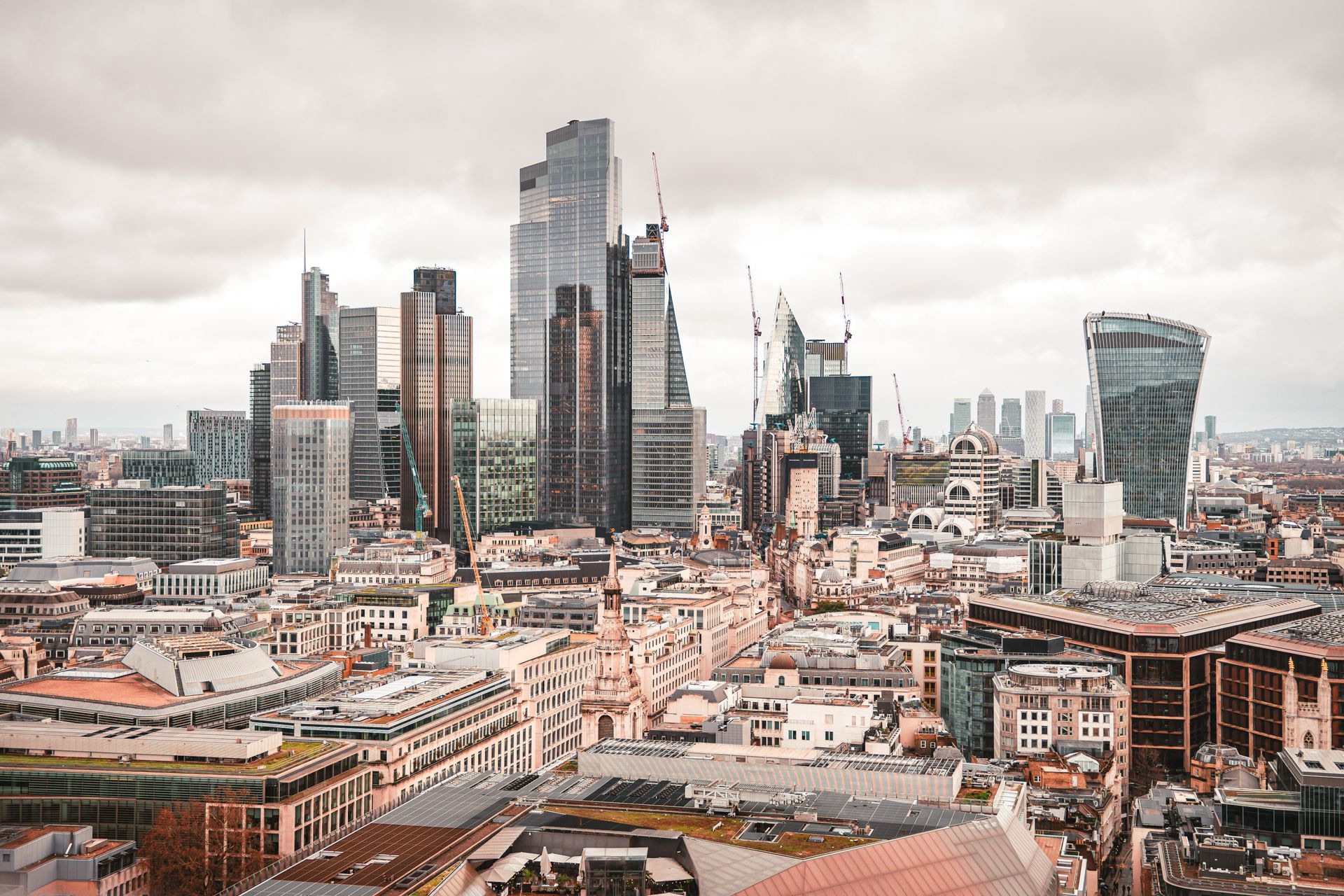
Every major European city carries a dominant association in the global imagination. Paris equals romance. Amsterdam equals freedom. Rome equals history. Prague equals beauty. These are not marketing inventions — they are sedimentary truths, compressed over decades of film, literature, and cultural transmission into a single emotional node.
You arrive carrying that node. The city either confirms it, complicates it, or quietly replaces it with something else. Usually all three, in different moments of the same trip.
That is the first interesting thing about European travel. The destination is already inside you before you board anything. You are not traveling to discover — you are traveling to test a picture that was assembled without your consent over years of exposure. Most of the time the picture is partially right. The romance in Paris is real. So is what surrounds it that the postcard leaves out.
The second interesting thing becomes visible only after you’ve been somewhere outside this world entirely. Istanbul is that place for me. Stand in a city running on genuinely different logic and the European capitals suddenly become legible as a category — variations on a shared operating system that was invisible from inside it. That story is here: What the Road to Istanbul Taught Me About Home.
This article is about the variations.
The operating system
Visit enough European capitals and something becomes visible beneath the individual character of each one. The same skeleton. Cathedral at the center or close to it. Old town preserved and managed for tourists. The café culture, the metro or tram, the pedestrian zones. The Christmas markets in December. The same calendar of holidays marking the same events across all of them.
This is Christian civilization as infrastructure. Not belief necessarily — most people moving through these cities are secular. But the architecture, the calendar, the moral assumptions underneath daily life, the organization of public space — all shaped by the same root system over a thousand years.
What travel actually does in environments like these is not produce discovery. It produces recalibration — a temporary loss of alignment with your normal system. A different language slowing you down. Unfamiliar social cues requiring active reading. Orientation no longer automatic. That friction is the real substance of the experience. The sights are evidence. The friction is the point.
Each city’s branding is a compression of something real. The compression is what arrives in your head beforehand. Presence in the actual place is what slowly complicates it — adding texture, contradiction, and the ordinary human life that no tourist association ever captures. Moving through different environments is also one of the ways the mind expands its capacity to hold more than one frame of the world simultaneously. More on that mechanism here: How the Mind Learns to Spin.
The cities — tourist node and actual place
Each major European destination carries a dominant register. Here is what the branding promises, what it gets right, and what it leaves out.
Paris
The association is romance and it broadly delivers — but the romance is a byproduct of something else. Paris is a city that takes things seriously. Food, appearance, intellectual life, the quality of a café table.
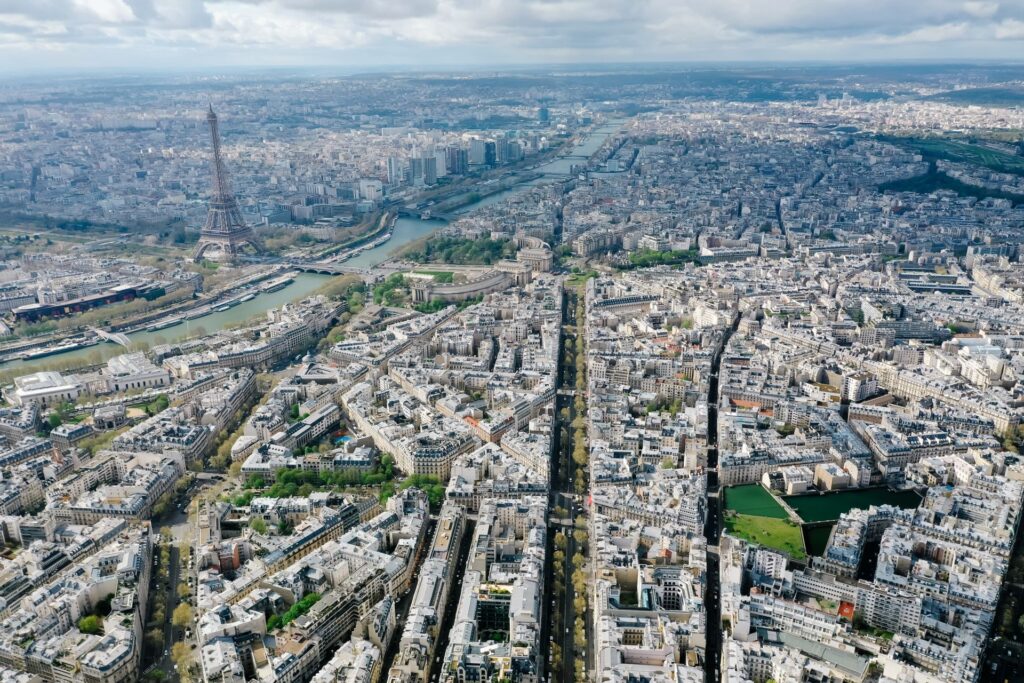
The seriousness produces an atmosphere that reads as romantic to visitors, but what you’re actually feeling is a culture that has decided certain things matter and organized itself accordingly. The Eiffel Tower is there. So is the Metro at rush hour, the indifference of waiters, and streets that feel like they were designed for the city rather than for cars. The branding captures a real quality. It misses the discipline underneath it.
Amsterdam
The association is freedom and permission, and Amsterdam has earned it structurally. The bikes are one expression — infrastructure redesigned around a different hierarchy of priorities. The soft drug tolerance is another. You can walk into a shop and buy psilocybin mushrooms legally, with safety information and a price tag. For someone from Croatia where these things exist but in shadows, the Amsterdam version is almost surreal.
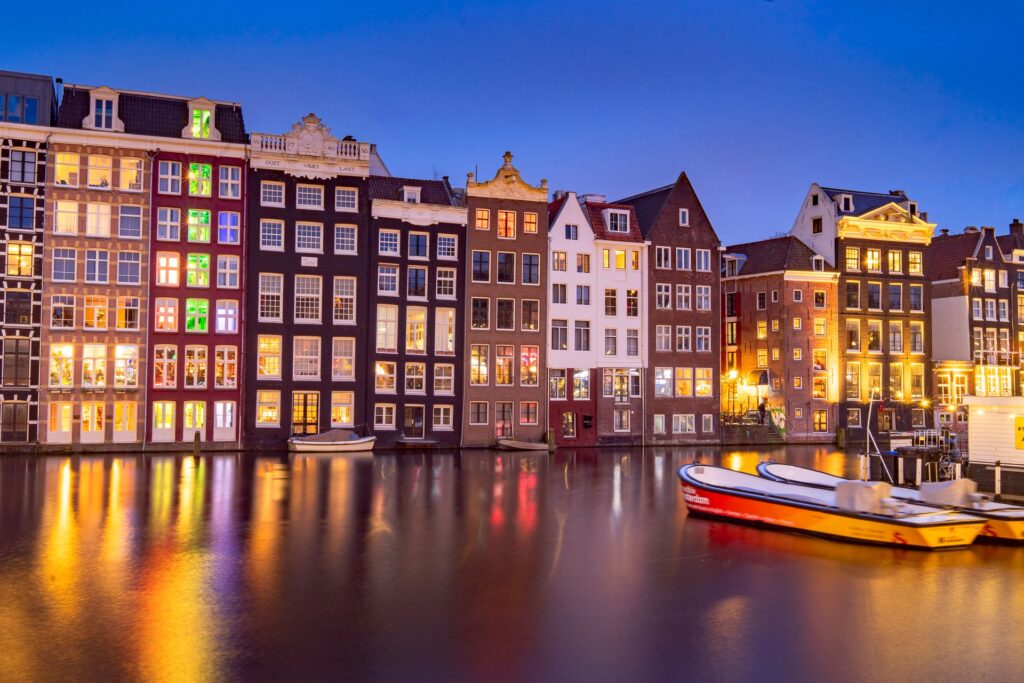
The thing is just there, normalized, adjacent to the cheese shops and the canal houses. The red light district sits differently — humans displayed in windows as commercial transaction, the church visible on the same street. Two ancient institutions operating openly on the same block without apparent contradiction. Whether that is liberation or a different kind of managed experience depends on the framework you bring. What Amsterdam actually demonstrates is that social permission is a design choice, not a fact of nature. Societies decide what is visible and what is hidden. Amsterdam decided differently from most.
Rome
The association is history and Rome delivers it at a scale that is physically disorienting. You turn a corner and something has been standing since before most modern countries existed. The accumulation of two thousand years of civilization in one place does something to your sense of time that no museum can replicate — because in Rome the history is not curated behind glass, it is simply there, functioning as street furniture.
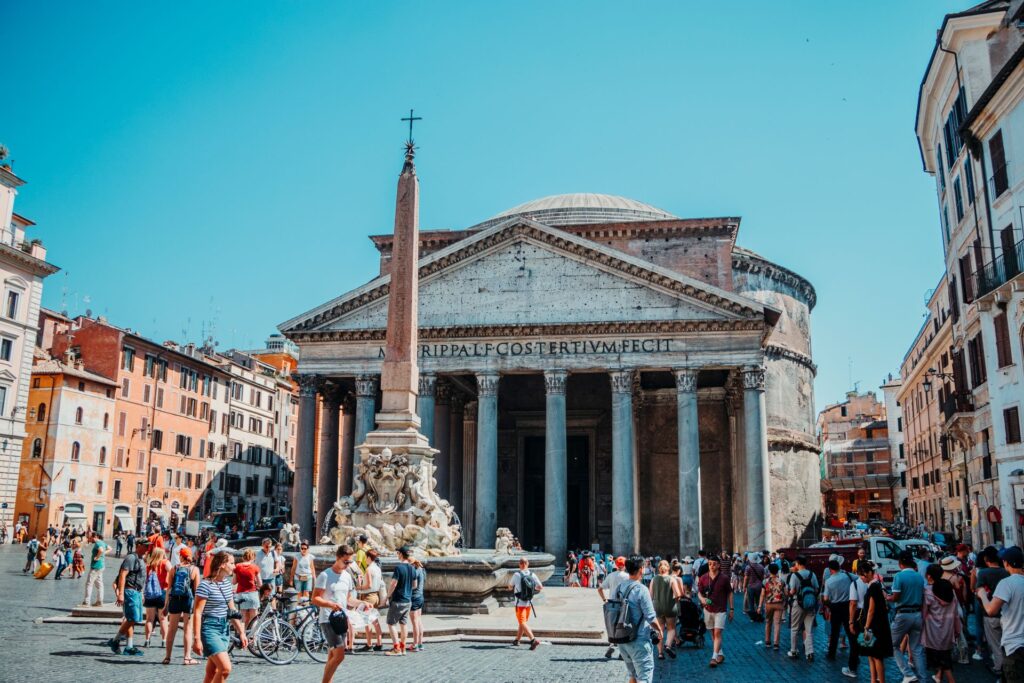
The comedy Rome also delivers is warmth. Two men in a car spent fifteen minutes of their evening and their petrol guiding two tourists through unfamiliar streets to a resort they had no connection to, because they couldn’t explain directions in English and wanted to actually help. The thriller script activated — unknown city, strangers being inexplicably generous. They delivered the tourists safely and drove away. The picture was wrong. Italian hospitality is real and often inconvenient, and the only thing that makes it suspicious is the inherited picture you arrive with.
Prague
The association is beauty and Prague delivers it almost too completely. The war missed it. The result is a medieval city center that feels intact in a way that most European capitals aren’t — not restored, not reconstructed, just present. It can read as a stage set that turned out to be real. The beer culture is also real and functions as a civic institution rather than a tourist attraction — Czechs drink beer the way Italians drink coffee, as part of the daily rhythm of life. What Prague leaves out of its branding is the specific Central European melancholy underneath the beautiful surface. A small country with a complicated history of being shaped by larger neighbors. That history is in the streets too, for anyone paying attention.
Budapest
The association is beauty and it is correct — the parliament on the Danube at night, the Chain Bridge, the thermal baths running since the Ottomans built them, the ruin bars in the old Jewish quarter. A city that was once a genuine imperial capital and hasn’t forgotten it, but also hasn’t turned the memory into a theme park. The warmth is real too, underneath the specific Central European weight that Hungarians carry in their culture.
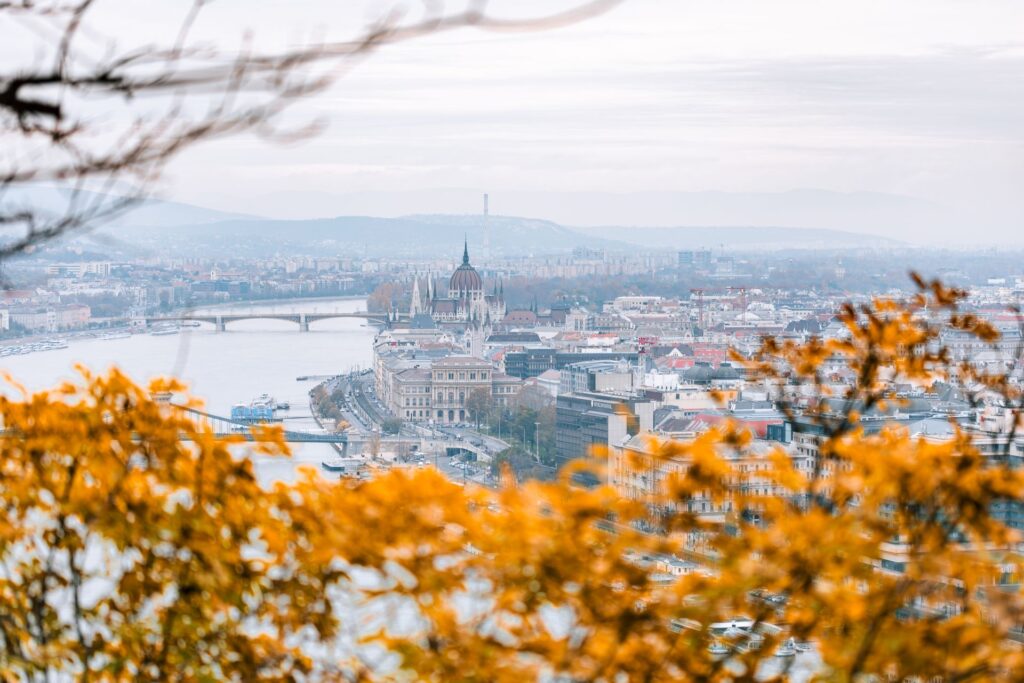
But the thing that actually stays is the language. Hungarian has no meaningful relationship with any other language on this tour. Or any European language at all. The city looks familiar — the architecture, the café culture, the cathedral logic — and then someone speaks and something completely alien comes out. A thousand years on the same continent and the language remained entirely itself. That small shock is worth more than most of what the guidebook describes. It is a reminder that the operating system running beneath these cities is not the only way civilization happened in Europe. Hungary arrived from somewhere else, settled in the middle of everything, and built something extraordinary in a language that still belongs to no one else.
London
The association is cosmopolitan scale and London delivers it immediately. The demographic complexity is visible within minutes of arrival — faces representing fifty countries on a single tube carriage. For someone from Zagreb, where nearly everyone looks the same, this is a genuine sensory recalibration. London also moves faster than any other European capital.
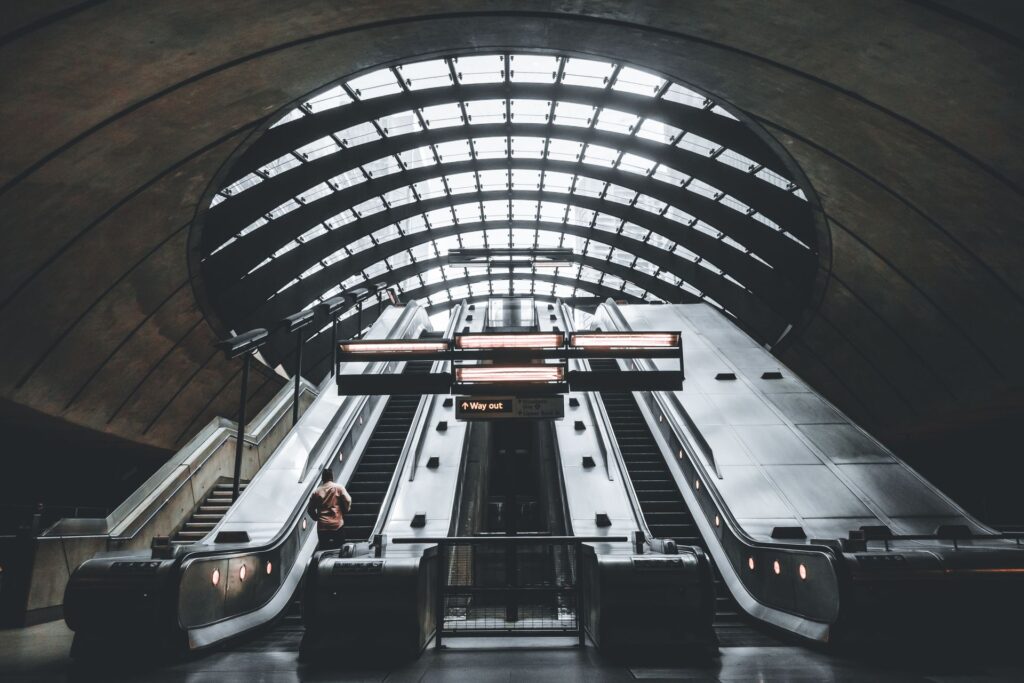
The pedestrian pace is measurably higher and you feel it as a kind of pressure. The city is running something and doesn’t particularly care whether you keep up. What London’s branding undersells is its indifference. It is not an unwelcoming city. It simply has no time to manage your experience of it. That indifference reads as cold to some visitors. To others it is the most honest thing a city can offer.
Barcelona
The association is Mediterranean warmth and architecture, and both are accurate. What the branding doesn’t prepare you for is Gaudí. Sagrada Família is not a famous building in the way that the Eiffel Tower is famous — it is a building that does something to you before you understand what you are looking at.
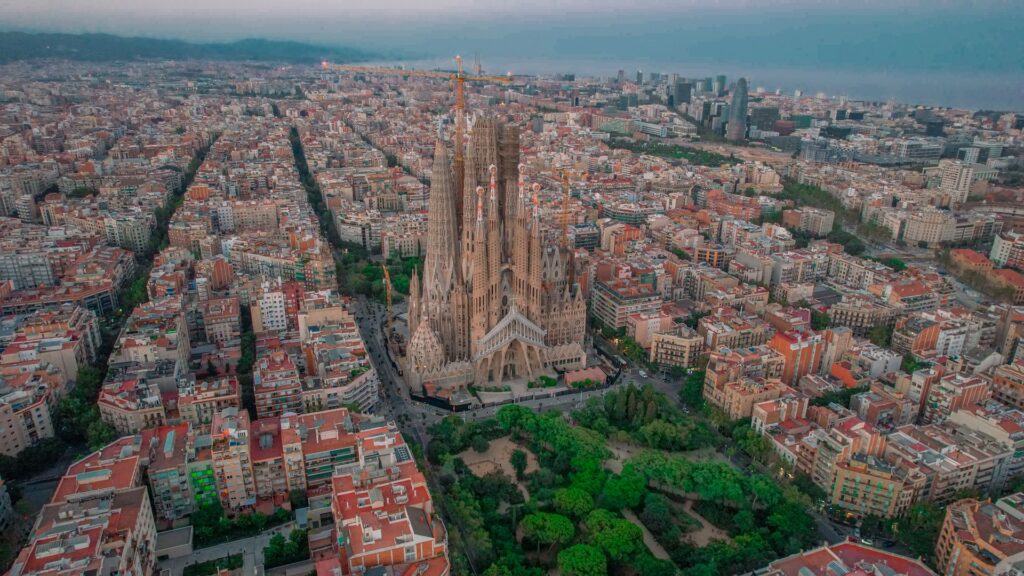
The impression it leaves in a young person who has no framework yet for what they are seeing is simply: the world contains things that look like this. That information stays. Barcelona is evidence that European civilization occasionally breaks its own grammar so completely that the grammar becomes visible by contrast. It is worth including in any tour of the operating system — as the exception that proves the rule.
Germany — not a city, a condition
Germany resists the single-city branding because what Germany delivers is consistent across Stuttgart, Munich, Karlsruhe, Berlin and everywhere else: infrastructure as a form of respect. The trains work. The roads are maintained. The scale of everything — fields, forests, public space — is larger and managed with evident care.
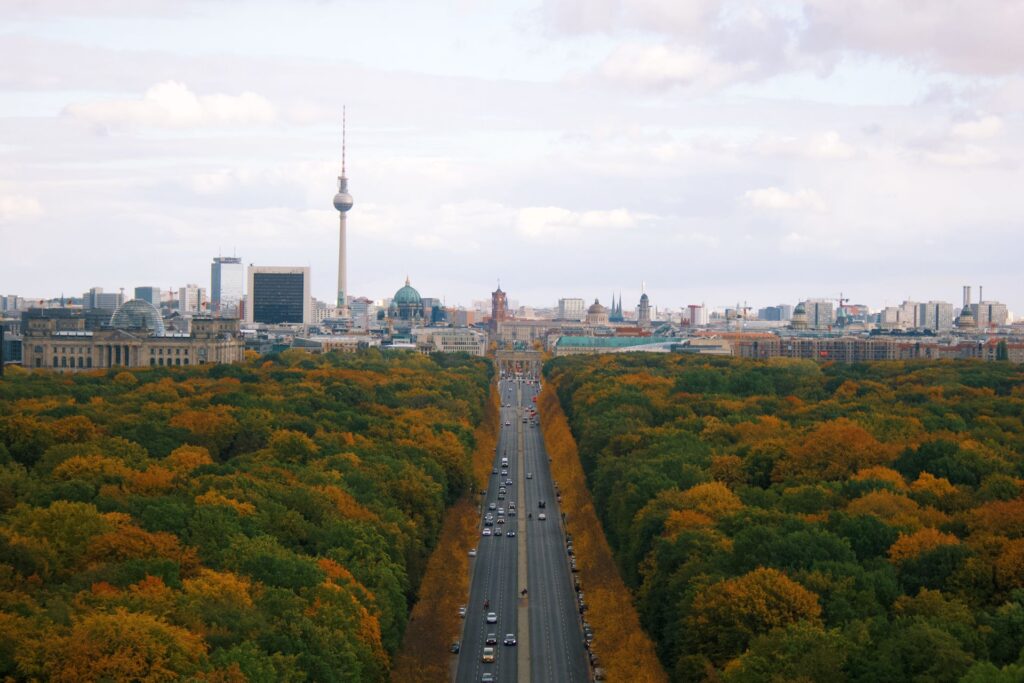
Coming from a country where institutions deliver something different in practice than in official description, Germany reads as a proof of concept. Things can be built correctly. Someone can think carefully about how this should function and then build it that way. That is not a small observation. It is a different relationship between a state and the people inside it, made visible in the daily texture of moving through the country.
What the tour teaches
The differences between these cities are real. Each has genuine texture that the branding compresses but doesn’t invent. Paris does carry seriousness. Amsterdam does operate on a different philosophy of permission. Prague is genuinely beautiful. Belgrade is genuinely alive in a way the polished capitals aren’t. The tourist node in your head before arrival is not false — it is a reduction. Presence in the actual place is what expands it.
But underneath all of it, the operating system. The Christian skeleton. The cathedral logic. The calendar built around the same events. You see it most clearly when you come home. Zagreb is also this city. The same root system, a smaller branch. The bells you stopped hearing years ago are transmitting the same signal as every cathedral in every city you just visited.
The tour doesn’t teach you about Europe. It teaches you about the water you’ve been swimming in your entire life. The most useful thing a journey does is make home strange enough to finally see it.
The mechanism behind all of this — how inherited pictures form, why they’re invisible until they break, and what a single journey can reveal about the place you left — examined through one specific bus ride: What the Road to Istanbul Taught Me About Home.
For the broader framework on what travel actually does in a world where every destination is already visible before arrival: Managed Horizons.
On how moving through different environments expands the mind’s capacity to hold more than one frame simultaneously — and why novelty is one of the mechanisms behind genuine thinking: How the Mind Learns to Spin.